Best AI Comic Art Styles for Novels: Manga, Webtoon, Manhua, and More
A practical guide to choosing a comic style that fits your story, audience, and publishing goal.
Core idea
Choose the style that supports the emotion of your story, not just the style that looks impressive in a preview.
The six built-in styles
Each preview below was drawn from the same short story with the preset exactly as it ships, so the differences you see are the style alone.
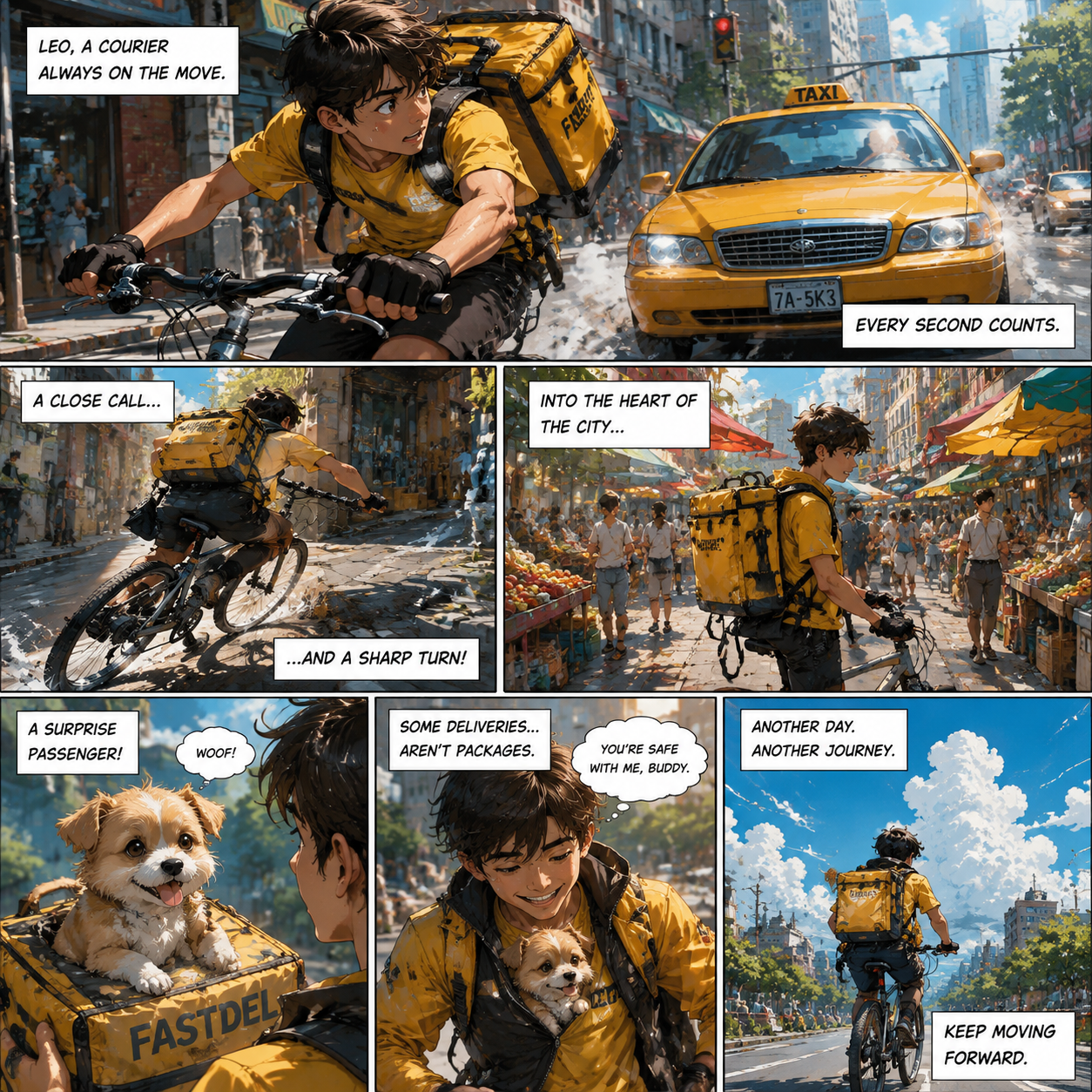
Cinematic semi-real
Realistic faces with a touch of anime, soft rim light, shallow depth of field, filmic color.
Literary fiction, thrillers, grounded fantasy and sci-fi — stories that want to feel like a film.
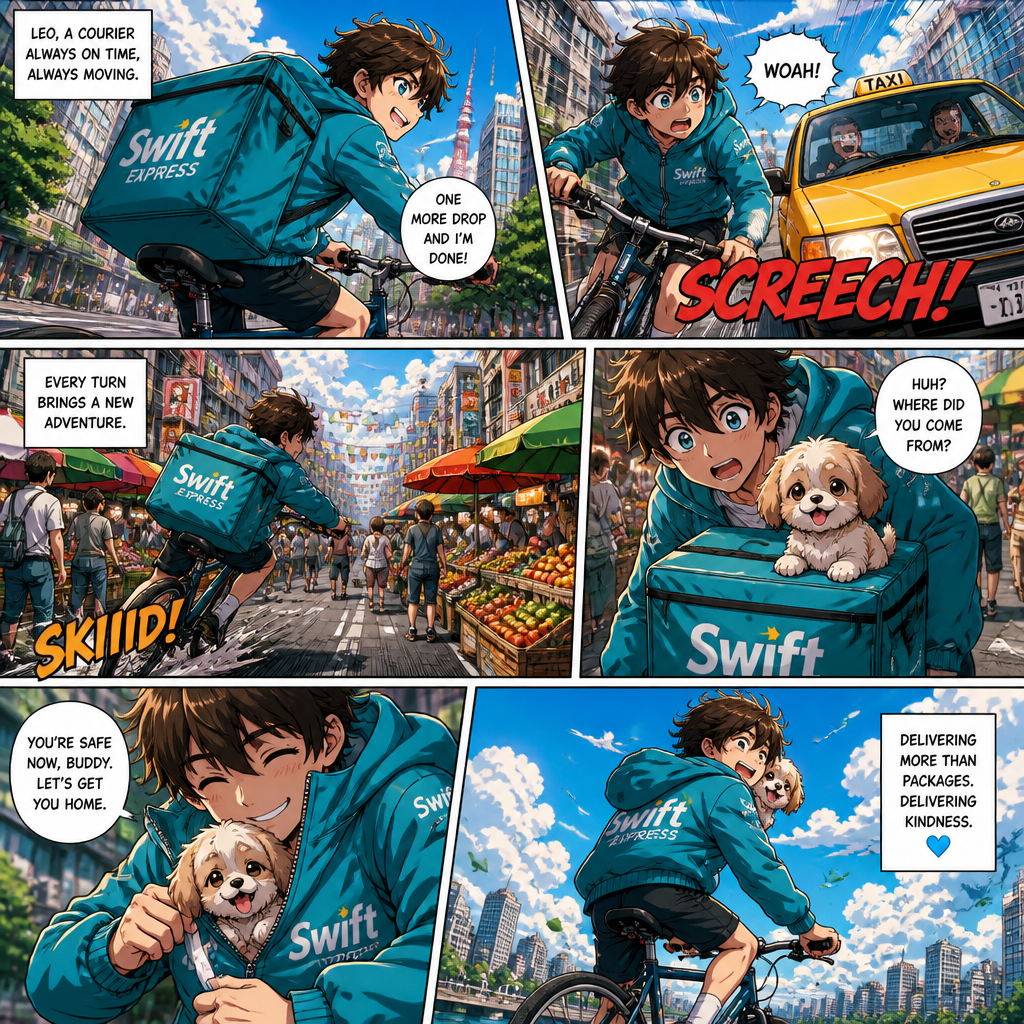
Japanese anime
Clean even lines, large glossy eyes, cel shading, bright airy palette.
Romance, school stories, light novels, slice of life, gentle fantasy.
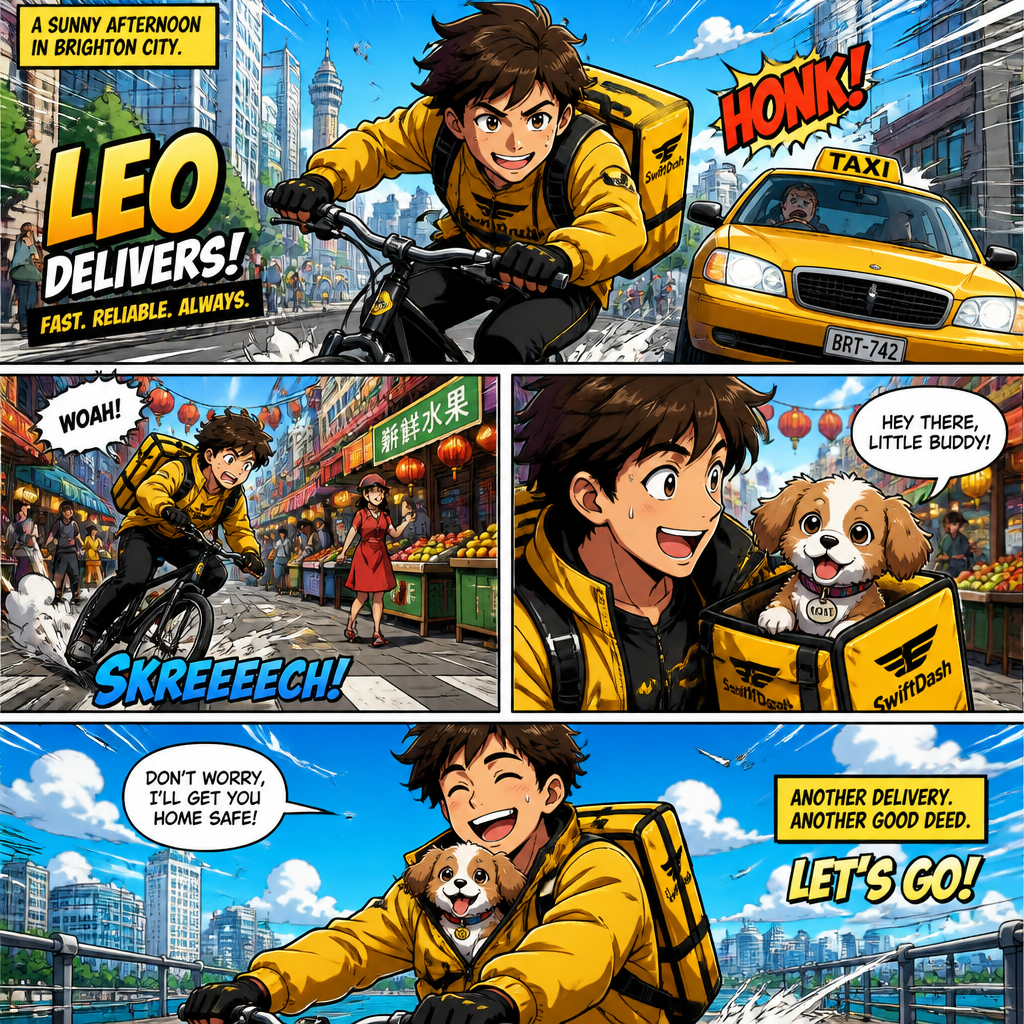
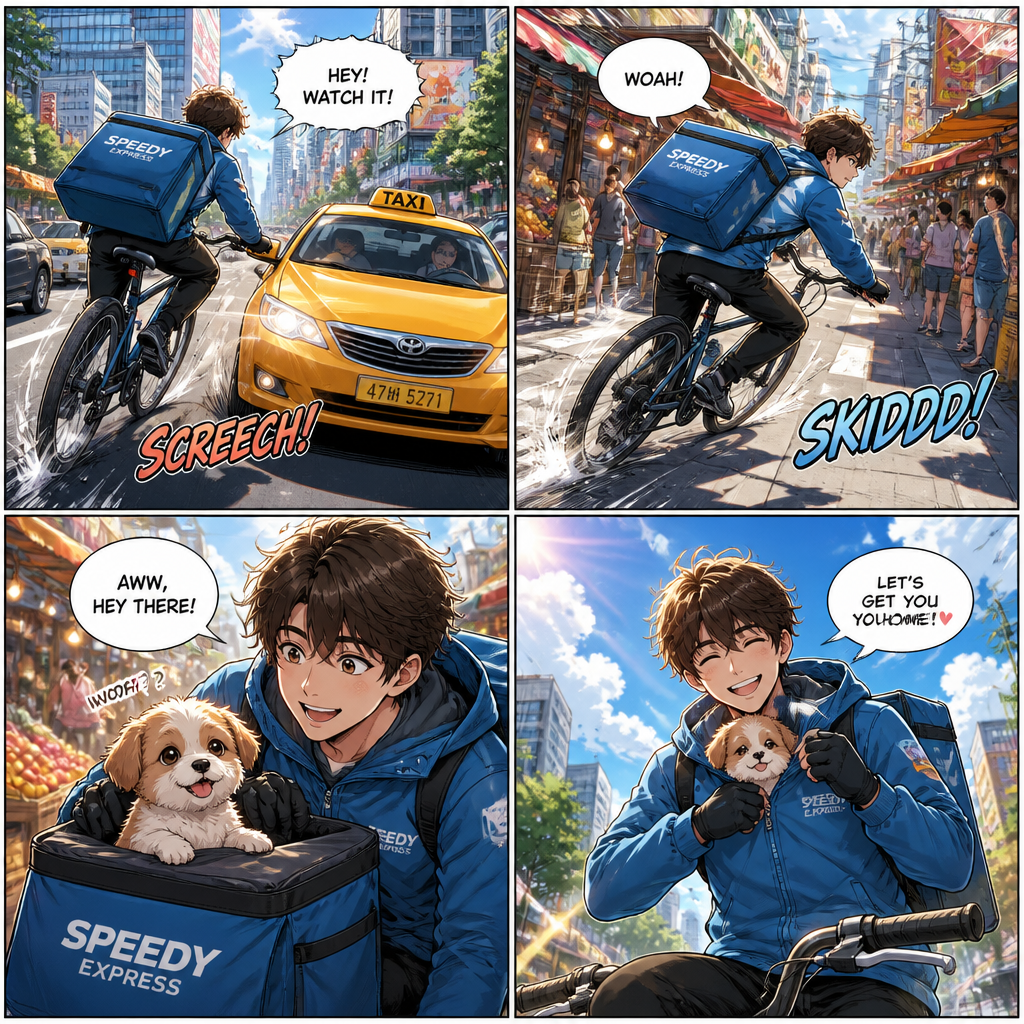
Vibrant shonen anime
Bold outlines, high-contrast shading, speed lines and impact bursts, saturated color.
Battles, tournaments, isekai adventures, anything with power-ups.
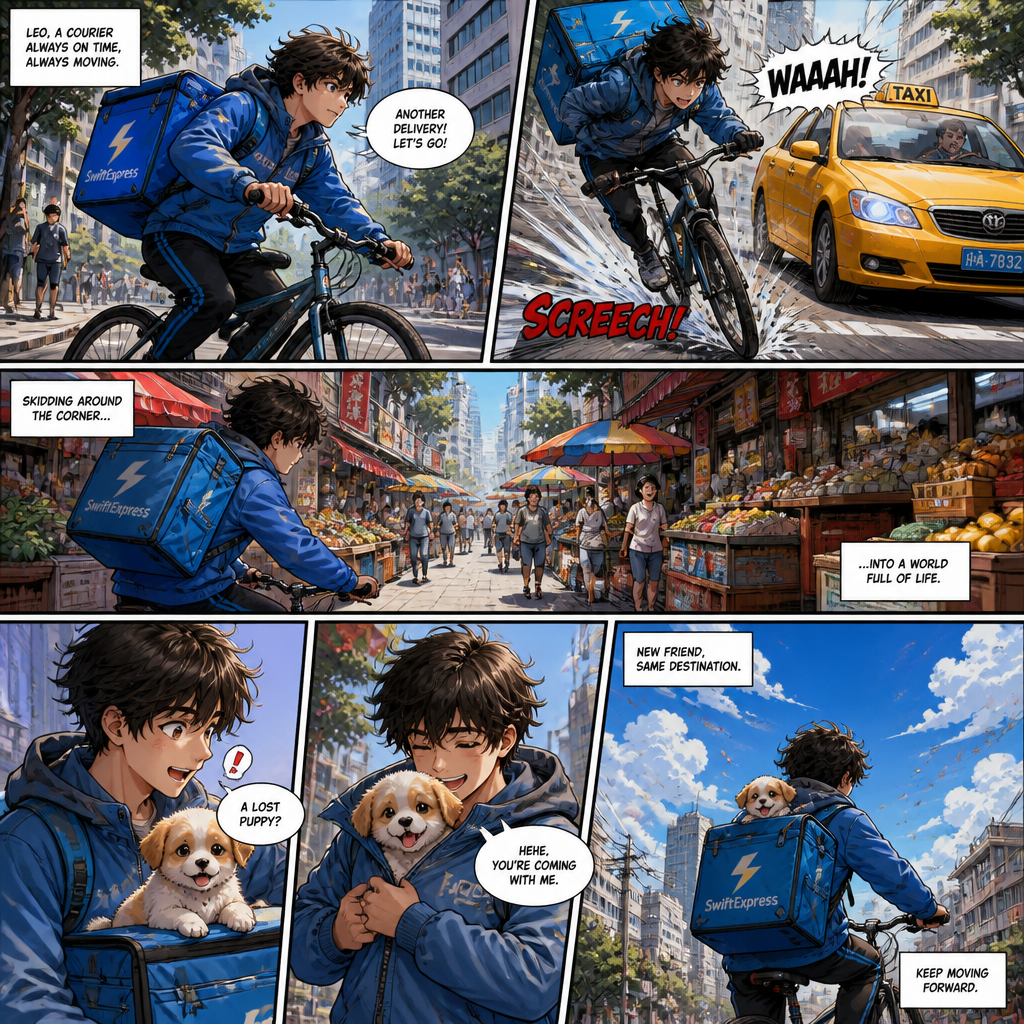
Korean webtoon
Delicate thin lines, refined attractive faces, soft airbrushed shading, pastel glow.
Romance fantasy, modern romance, regression and revenge dramas, vertical phone reading.
Chinese manhua
Elongated figures, flowing hair and robes, painted rendering, ink-wash mountains, jewel tones.
Xianxia, wuxia, cultivation, palace and historical romance.
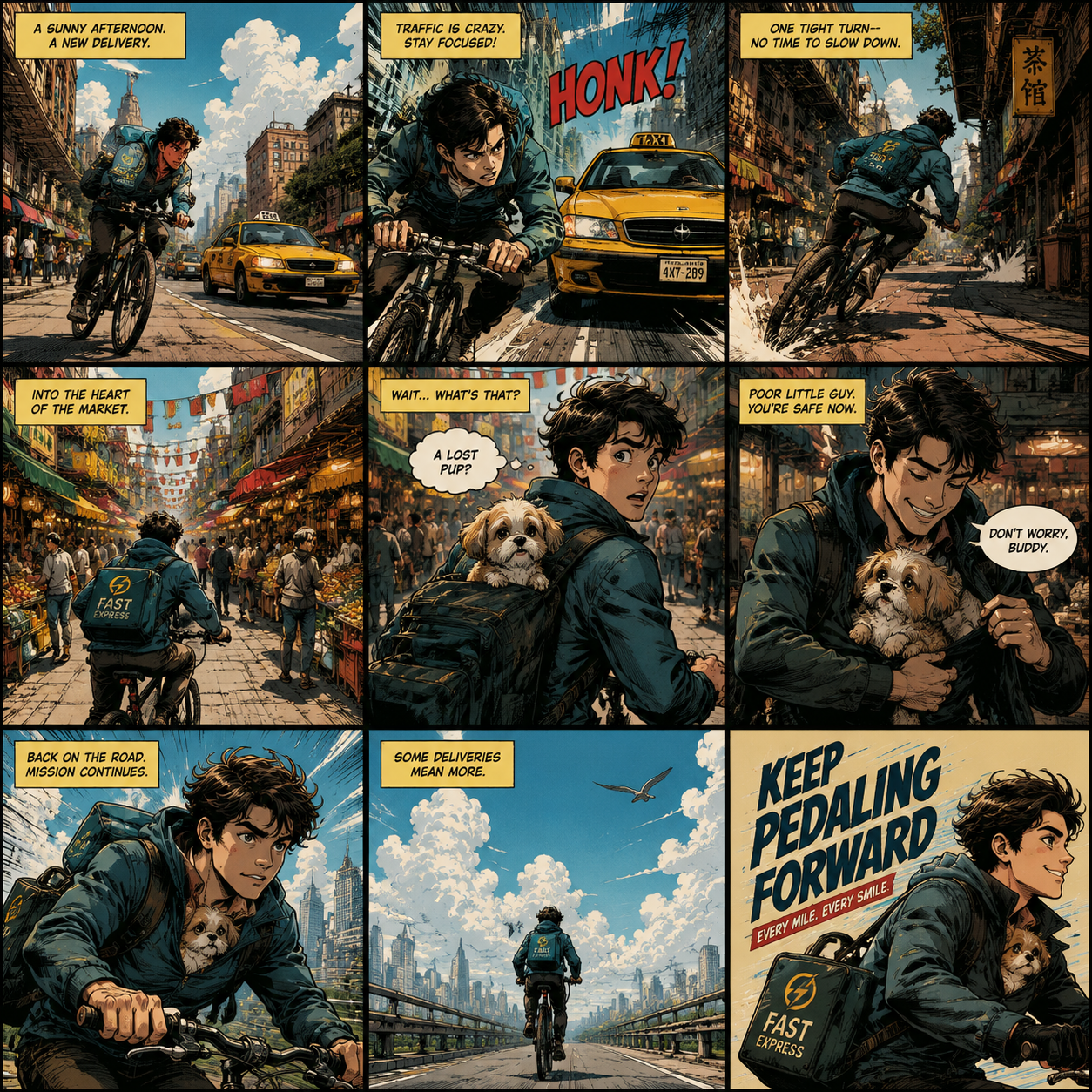
Western graphic novel
Thick inked outlines, cross-hatched shadows, realistic proportions, moody limited palette.
Crime, noir, horror, war stories and morally grey characters.
Styles beyond the presets
The style box takes plain words, so any look you can describe is available. Start from the closest preset and add a line, or replace it entirely. These are starting descriptions worth trying:
You can also name a series or an artist to follow, or upload a comic page you love and use "Extract style from comic image" to have its look written out for you.
Black-and-white manga
"black and white manga, screentone shading, bold ink lines"
Watercolor fairy tale
"soft watercolor, storybook illustration, warm light, visible paper texture"
Noir
"high-contrast noir, deep black shadows, rain-soaked streets, single spot color"
Chibi comedy
"chibi proportions, exaggerated expressions, bright flat colors"
Children's picture book
"children's picture book, rounded shapes, gentle pastel palette, simple backgrounds"
Cyberpunk
"neon cyberpunk city, magenta and cyan lighting, holographic signs, wet reflections"
How to choose the right style
- ✓ Start with the genre: romance, fantasy, horror, action, comedy, or children story.
- ✓ Choose the feeling: warm, dramatic, cute, cinematic, dark, elegant, or energetic.
- ✓ Think about where you will share it: mobile comic, social post, pitch deck, personal storyboard, or publishing test.
- ✓ Draw one or two chapters before committing to a full novel.
- ✓ If the story feels wrong, change the style early instead of fixing hundreds of pages later.
- ✓ Keep one style for the whole project; the characters' reference sheets are drawn in it too.
Final thought
Do not choose a style only because it looks fashionable. Choose the style that helps readers feel the story correctly. A good comic style makes the genre obvious, supports the characters, and makes every page feel like part of the same world.
Start creating